Batt & Roll Insulation in Queen Creek, AZ
Fiberglass and mineral-wool batts for walls, garages, and simple joist bays — a budget-conscious option that still needs to be installed right to perform.
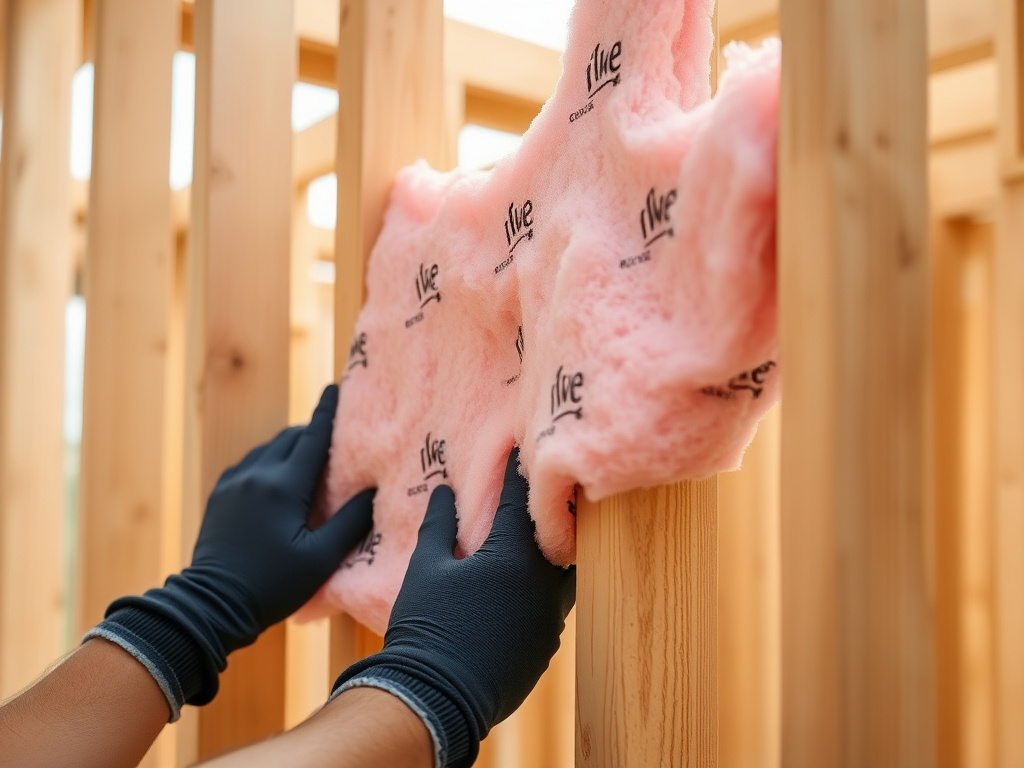
Batt and roll insulation is the reliable workhorse of the insulation world, and it's still a smart, budget-friendly choice for the right application in a Queen Creek home. Pre-cut fiberglass or mineral-wool batts fit between wall studs, garage ceiling joists, and simple rafter bays — an efficient solution for new walls, garage conversions, and any space where the framing is open and accessible. It's often the first insulation product homeowners think of, and for good reason: it's affordable, widely available, and delivers dependable performance when the job is done correctly.
Batts aren't the go-to for a wide-open desert attic floor, where loose-fill blown-in outperforms them by filling every gap and irregular corner without the compression problems batts are prone to. But for walls, garage ceilings, and simple joist bays, a properly installed batt delivers real, budget-friendly R-value. The catch is installation quality — gaps, compression, and batts stuffed carelessly around wiring can cut real-world performance dramatically, so our crews cut and fit every batt to spec rather than shoving pre-cut panels into place and moving on. In a climate where every degree of heat resistance matters through a five-month cooling season, that difference shows up directly on your SRP or APS bill.
Why homeowners choose it
- Cost-effective, proven performance in open wall and garage framing
- Fiberglass and fire-resistant mineral-wool options available
- Mineral wool adds excellent sound dampening for interior walls
- Ideal for new walls, garage ceilings, and accessible joist bays
- Installed cut-to-fit for full-rated R-value, not compressed or gapped
- Great for converted garages, workshops, and interior sound walls
Fiberglass vs. mineral-wool batts
Fiberglass batts are the most common and economical choice, available in a range of R-values for walls, garage ceilings, and simple joist bays. Mineral-wool (rock-wool) batts cost more but bring real advantages: they're denser, naturally fire-resistant, water-repellent, and excellent at blocking sound — a favorite for interior walls, media rooms, and shared walls between a garage and living space. Both perform well when installed properly; the right choice depends on the location and what you're trying to achieve.
Fiberglass remains the practical default for most wall cavities and garage ceilings because it's cost-effective at scale and available in the R-values most Queen Creek projects need. We reach for mineral wool specifically when a job calls for something more — a wall next to a garage that also needs sound dampening, a fire-rated assembly, or a space where moisture resistance adds real value, like near a laundry room or water heater closet.
- Fiberglass — economical, versatile, wide R-value range
- Mineral wool — fire-resistant, water-repellent, excellent soundproofing
- Mineral wool ideal for garage/living-space shared walls
- Both perform to spec when installed cut-to-fit
Where batts still make sense in a Queen Creek home
Batts are a strong, budget-friendly choice wherever framing is open and accessible — new interior and exterior walls, garage ceilings, and workshop conversions. For a wide-open desert attic floor, loose-fill blown-in almost always outperforms batts, since it flows around obstructions and irregular framing without the gaps and compression that quietly rob a batt job of R-value. In many homes the best system combines methods: batts in open walls and garage framing, blown-in on the attic floor, and spray foam where an air seal against 150°F attic heat matters most. We design the right combination rather than defaulting to one product everywhere.
This matters most in remodels and garage conversions, where homeowners often assume one product should cover the whole project. A garage being converted into a gym or office, for example, usually needs batts in the walls and ceiling, plus attention to the garage door and any adjoining attic space — a mixed approach that a single-product contractor might not offer.
Installation quality is everything
The single biggest factor in how well batt insulation performs isn't the product — it's the install. A batt that's compressed, gapped, or forced around wiring can lose a large share of its rated R-value, which matters even more in a climate where every bit of resistance to heat gain counts. Our crews cut batts to fit each cavity precisely, split them cleanly around electrical and plumbing runs, and fit them snug without compressing, so the insulation performs the way the label promises rather than the way a rushed installer left it.
We also pay attention to vapor and air detailing where it's called for — sealing gaps at the top and bottom plates of a wall cavity before the batt goes in, and making sure electrical boxes and penetrations are addressed rather than just insulated around. Skipping these details is the most common reason a batt job underperforms its rated R-value in the field.
Ideal for
- New walls and garage ceilings with open, accessible framing
- Interior walls needing sound control (mineral wool)
- Garage conversions and workshop builds
- New-construction and remodel projects with exposed framing
- Homeowners wanting a budget-friendly, reliable option for walls
What affects the cost
Batt & Roll Insulation questions, answered
For a wide-open desert attic floor, no — blown-in loose-fill outperforms batts by filling every gap and irregular corner, and spray foam beats both for air-sealing. Batts still make sense for walls, garage ceilings, and simple joist bays where the framing is open and accessible. We'll recommend the right product for each part of your home.
Fiberglass is economical and versatile for most walls and garage ceilings. Mineral wool costs more but is fire-resistant, water-repellent, and far better at blocking sound — a great choice for a wall shared between your garage and living space, or an interior media room. We'll recommend the right one for each location.
Because compressed, gapped, or carelessly stuffed batts lose a large share of their rated R-value — and in a climate fighting 150°F attic and garage temperatures, every bit of that resistance matters. Proper installation, cut to fit and fitted snug without compression, is what delivers the performance you're paying for.
Yes, and it usually should be. Most Queen Creek homes get the best result from a mixed system — batts in open wall and garage framing where they're cost-effective, blown-in on the attic floor where it outperforms batts, and spray foam at the specific spots where an air seal matters most. We plan the combination for your home rather than defaulting to a single product throughout.
Batt & Roll Insulation done right, by a local Queen Creek crew
Batt & Roll Insulation isn't a commodity — the result depends entirely on how carefully it's planned and installed for your specific home and Arizona's extreme summer heat. We assess what your house actually needs, prep the space properly, and install to your target R-value, so the work delivers the comfort and cooling savings it's supposed to. No shortcuts, no builder-grade rush.
We serve Queen Creek, San Tan Valley, Gilbert, Chandler, Mesa, Sun Lakes, Coolidge, and Florence, and we'll help you capture the APS and SRP rebates that bring your project cost down. Every job starts with a free, no-pressure quote.
Just as important, we treat your home like the system it is. Insulation, attic ventilation, and radiant heat control all interact, and getting one right while ignoring the others leaves comfort and savings on the table. When we scope your batt & roll insulation, we look at how it fits the whole picture — so the finished result performs the way it should, holds up through triple-digit Arizona summers, and actually lowers the cooling bill you feel every month. That whole-home mindset, plus honest advice about what your house truly needs, is what our neighbors across the East Valley count on us for.
Free assessment
We evaluate your home and give you a clear, itemized quote with rebates factored in.
Expert install
We prep and install your batt & roll insulation to spec — clean and on schedule.
Savings you can feel
A cooler home, lower cooling bills, and help claiming every rebate you qualify for.
Related services
Ready for a free batt & roll insulation quote?
Tell us about your home and we'll put together a clear, no-pressure quote — plus show you which APS and SRP rebates you qualify for.